
The Illusion of Winning
One of the most pervasive myths surrounding casinos is the idea that winning is easy and often just a matter of luck. Many newcomers step into these establishments with the belief that they can hit it big at the slot machines or at the tables without much effort. This illusion is perpetuated by stories of individuals who walk away with substantial winnings, creating an image that success in gambling is more common than it truly is. In reality, the odds are heavily skewed in favor of the house, meaning that over time, most players will enjoy the experience of playing the best online pokies but ultimately lose more than they win.
Additionally, the layout and design of casinos play a crucial role in fostering this myth. With bright lights, captivating sounds, and an atmosphere designed to excite, these venues create an environment where players feel elated. This sensory overload can lead to impulsive betting and the belief that the next round could be their moment of success. However, it’s essential to understand that these elements are intentional. Casinos invest significantly in marketing strategies to keep players engaged and, ultimately, gambling longer.
The emotional psychological aspect of gambling further complicates the notion of winning. People often attribute their victories to skill or strategy while ignoring the countless losses. Cognitive biases, such as the gambler’s fallacy, can lead players to believe that past outcomes influence future results. This distorted thinking contributes to the pursuit of losses, where individuals try to chase back their money, often leading to further losses. Ultimately, casinos rely on these misconceptions to maintain their business model, making informed decision-making critical for anyone hoping to gamble responsibly.
The Role of Luck and Skill
Another common myth is that skill-based games offer a better chance of winning than games of chance. While it is true that certain games like poker require a degree of skill, many casino games are purely luck-based. For instance, classic games such as roulette and baccarat depend entirely on random outcomes that cannot be predicted or influenced by player strategy. Understanding the distinction between these types of games is vital for anyone looking to maximize their chances of coming away from a gaming session with a profit.
In poker, the element of skill comes into play in the form of player strategy, psychology, and experience. Successful poker players spend years honing their craft, learning about probability, reading opponents, and mastering different playing styles. This level of dedication sets them apart from casual players who may rely solely on luck. Thus, while skill can play a significant role in certain games, overall, it does not alter the fact that casinos benefit from players’ lack of expertise in many available games.
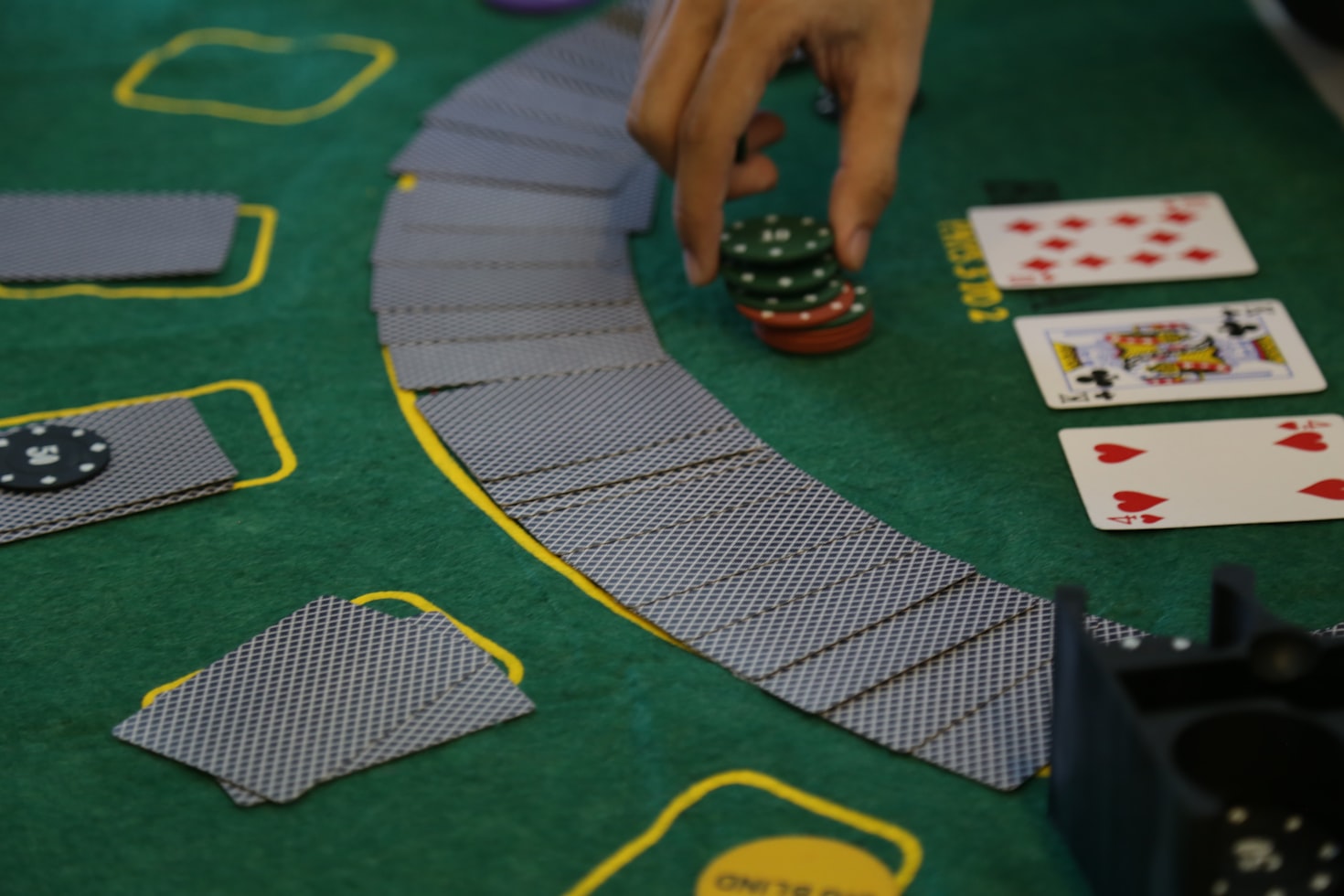
Ultimately, understanding the role of luck versus skill can help mitigate unrealistic expectations. Many players dive into games believing they possess the skills required to win without acknowledging the inherent risks involved. This creates a disconnect between perceived and actual success. A balanced understanding can foster a healthier perspective, leading to a more enjoyable gambling experience while tempering the potential for disappointment.
The Casino Environment
The ambiance within a casino is specifically crafted to encourage prolonged play and expenditure but often misconstrued as a glamorous and luxurious experience. Many individuals envision casinos as hubs of excitement and large payouts. However, behind the glitz and glam lie psychological tactics designed to enhance the gaming experience and encourage higher spending. For instance, you may notice the absence of clocks and windows, creating a disorienting effect and making it easier for players to lose track of time.
The design of gaming areas is also strategic. Casinos employ soundscapes that blend winning jingles with ambient noise, promoting a sense of success even when losses occur. Coupled with complimentary beverages and food, they work hard to keep guests comfortable and entertained. This sensory experience can lead players to underestimate the financial implications of their activity, sometimes causing them to gamble far more than they had initially intended. It’s crucial to recognize these orchestrated environments for what they are: an avenue for casinos to maximize profits.
Moreover, player behavior is influenced by peer group dynamics within the casino. Observing others celebrate their wins can create a contagious atmosphere of hope, pushing individuals to gamble more in hopes of replicating the excitement. This social component often leads to overstaying and overspending, as the excitement of the casino pushes individuals to make decisions that might not align with their best financial interests. Understanding these dynamics can empower players to make informed choices before entering such environments.
The Impact of Technology
In recent years, technology has transformed the casino experience, creating both opportunities for entertainment and new myths to dispel. With the rise of online gambling, players may believe that the chances of winning have improved due to more favorable odds presented by digital platforms. However, many online casinos use random number generators and algorithms designed to ensure profits similar to their brick-and-mortar counterparts. As a result, while the convenience and accessibility of online gambling are appealing, they do not inherently offer better winning odds.
Additionally, advances in technology have also led to the introduction of live dealer games, which simulate the experience of being in a physical casino while playing from home. Many players are drawn to these games, believing that they bridge the gap between skill and luck more effectively than traditional online games. While these live games create a more immersive experience, it is critical to approach them with the same caution as any other gambling format, acknowledging that the house always has an edge.
Furthermore, technology has also contributed to the proliferation of mobile gambling apps, which can lead to increased gambling frequency. While the convenience is enticing, it can amplify the risks of problem gambling, especially among younger players who may not fully grasp the ramifications of their actions. As technology continues to shape the landscape of gambling, understanding its implications on player behavior is essential for making responsible choices.
Understanding Responsible Gaming
In light of the many myths and misconceptions surrounding casinos, understanding responsible gaming becomes paramount. Many players enter casinos without a clear understanding of their limits, often leading to overspending and regret. Establishing a budget before engaging in any gambling activity is crucial for maintaining control. This budget should reflect an amount that one is comfortable losing, reinforcing a mindset of entertainment rather than profit. By adhering to these predetermined limits, players can enjoy their experience without the pressures that often accompany gambling.
Additionally, it’s essential to recognize the signs of problem gambling. These can include chasing losses, feeling a sense of euphoria when winning, or a growing obsession with games. Education on these signs can empower players to make informed decisions about their gambling habits. Many casinos and online platforms promote responsible gaming resources, offering strategies and tools to support players in making safer choices.
Finally, staying informed about the realities of gambling can enhance the enjoyment of the casino experience. By understanding the odds, the role of luck versus skill, and the casino environment, players can engage more responsibly. The goal should be to have fun while keeping expectations realistic and potential losses in check. Embracing responsible gaming leads to a more enjoyable and balanced approach, allowing individuals to appreciate the thrill without succumbing to the inherent risks associated with gambling.